
The Journal · 5 min read
The Nightcap Myth: What Alcohol Actually Does to Your Sleep
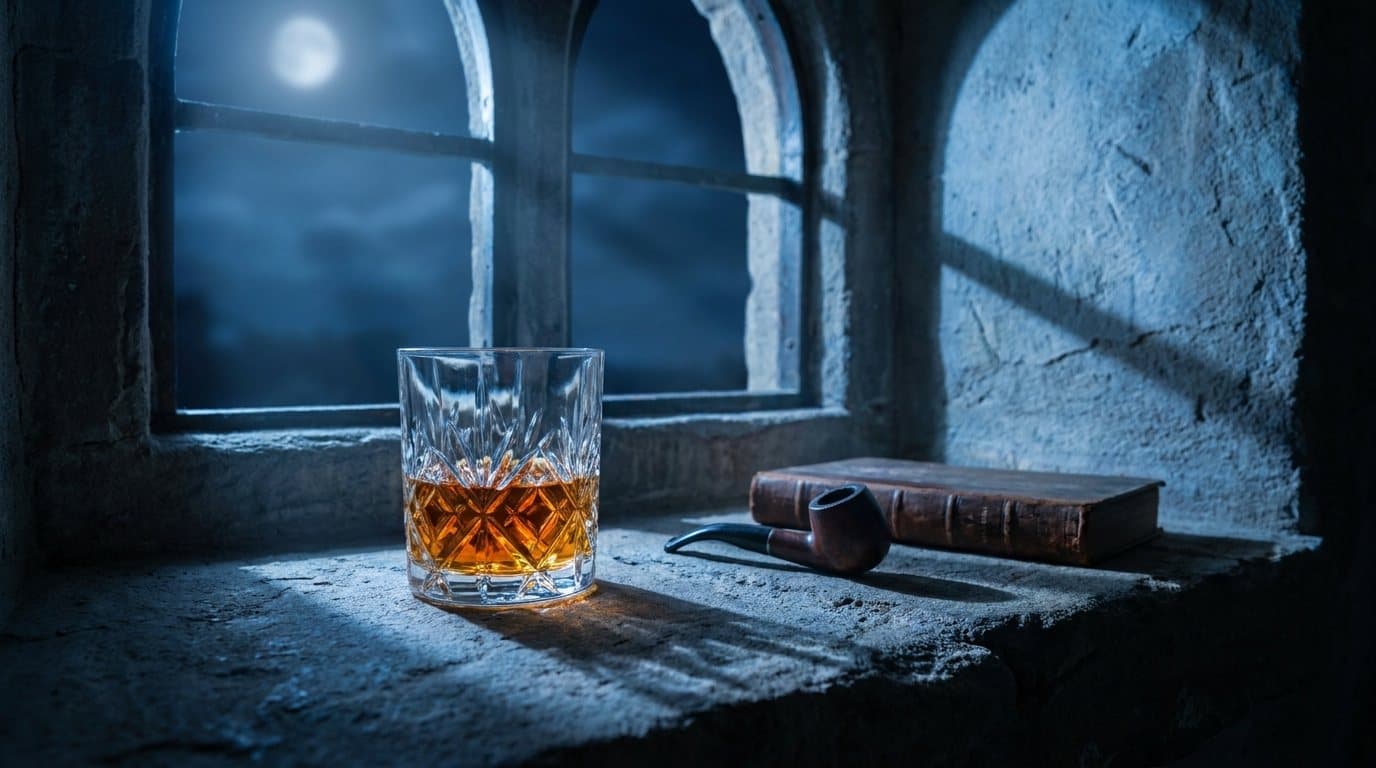
The nightcap survives on a technicality: alcohol genuinely does make you fall asleep faster. It's a sedative. The problem is what happens after you're asleep, and it's well documented: as your body clears the alcohol, sleep architecture shifts. REM gets suppressed in the first half of the night, then rebounds. Sleep gets lighter and more fragmented in the second half. That 3am wide-awake moment after an evening of drinks isn't random; it's the rebound arriving on schedule.
So you traded ten minutes of faster sleep onset for a night that does less of what sleep is for. Trackers show this brutally: same time in bed, drink versus no drink, and the score drops. Several of our customers found us exactly this way, staring at a tracker wondering why Tuesday's sleep beat Saturday's.
Why the ritual feels so hard to give up
Be honest about what the nightcap actually provides: a boundary. It's the physical act that says the day is over. That's a real need, and it's the piece worth keeping. Humans have marked the day's end with a poured liquid and a warm sensation for as long as we've had evenings. The Romans ended theirs in warm mineral water. The instinct is ancient; the ethanol is optional.
Replace the act, keep the boundary
You don't quit a boundary ritual; you swap its ingredients:
- ✦Pour something else that's warm and deliberate: herbal tea in a glass you like counts more than it sounds like it should
- ✦Or pour the water instead of the drink: a warm bath with mineral salt is the original nightcap, older than distillation
- ✦Keep the timing rule if you do drink: finish 3 or more hours before bed so clearance happens before sleep, not during
- ✦Watch one metric: your tracker's deep and REM totals on drink nights versus dry nights, over two weeks. Let your own data make the argument
The honest version of the trade
None of this is a temperance lecture. It's arithmetic: alcohol borrows sleepiness from the front of the night and pays it back with interest at the back. Some nights the trade is worth it. On the nights it isn't, the boundary you're actually craving can be drawn with water, warmth, and a ritual that ends the day on purpose.
Educational content, not medical advice. Our products aren’t intended to diagnose, treat, cure, or prevent any disease. Talk to your physician about persistent sleep trouble.
Keep Reading